
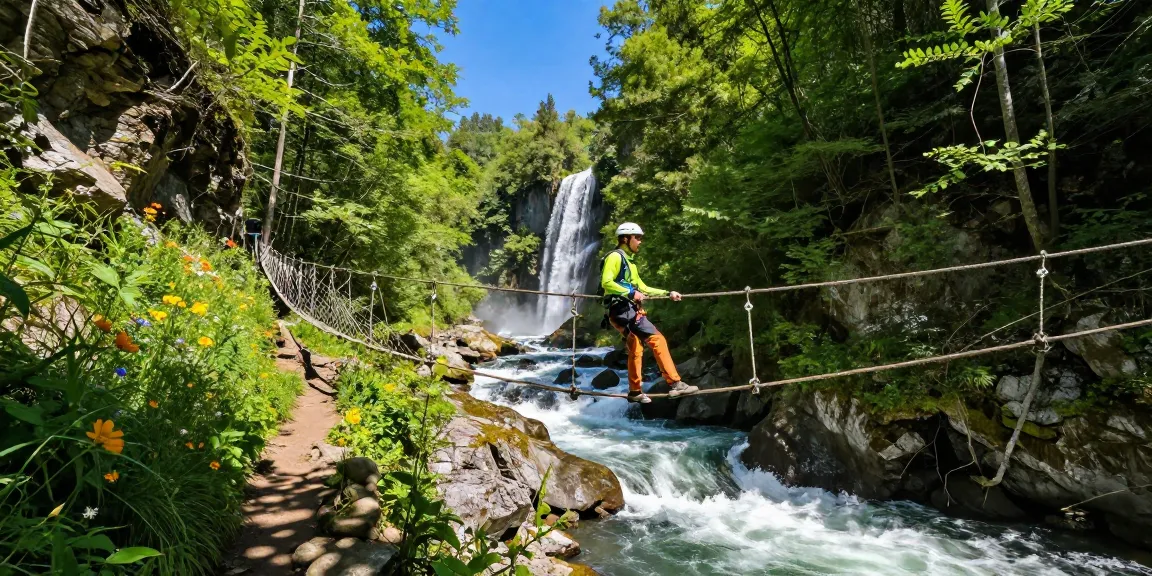
Understanding the River Rope Bridge Concept
The concept of a River Rope Bridge is not just about crossing water; it embodies a mix of adventure, culture, and engineering ingenuity. These bridges have been integral to various communities, serving as vital links between isolated areas and facilitating trade, tourism, and outdoor activities. A River Rope Bridge stands as a symbol of exploration and the human spirit to traverse nature's obstacles. When exploring options, River Rope Bridge designs can offer comprehensive insights into this fascinating construction.
What is a River Rope Bridge?
A River Rope Bridge is a type of bridge that typically uses a flexible rope as its main structural support, designed to span a river or similar body of water. These bridges can vary in design—from simple, single-span structures to complex configurations that incorporate multiple spans and supports. They often feature a deck made of wood or composite materials, often suspended beneath the main ropes. The flexibility of the ropes allows the bridge to move slightly with the wind or when load is applied, which can enhance its durability and resilience.
Historical Significance and Cultural Importance
Historically, rope bridges have been used for centuries in various cultures around the world, often crafted using locally available materials. The Q'eswachaka Bridge in Peru, for instance, is a famous example of a traditional Incan rope bridge made from grass. This bridge, which spans over 100 metres, is reconstructed annually by local communities, highlighting the cultural significance and communal skills involved in its maintenance. Similarly, in Nepal, the use of suspension bridges made from hemp and bamboo serves to connect remote villages, reflecting both functionality and the rich cultural heritage of the region.
Types of River Rope Bridges
Different types of river rope bridges cater to various needs and environments. Some of the primary types include:
- Traditional Rope Bridges: Often made from natural materials such as hemp or grass, these bridges are typically found in rural areas and are constructed using age-old techniques.
- Suspension Bridges: These bridges use cables or ropes suspended between towers to hold the deck. They can span long distances and are often used for both pedestrian and vehicular traffic.
- Cantilever Bridges: Featuring a rigid structure that extends out over the river, these bridges rely on counterbalancing to maintain stability.
Benefits of Investing in a River Rope Bridge
Building a River Rope Bridge can bring numerous benefits, from enhancing accessibility to boosting local economies through tourism. The investment in such infrastructure can yield significant returns both socially and economically.
Enhancing Outdoor Activities and Adventures
A well-constructed River Rope Bridge can serve as a gateway to numerous outdoor activities, such as hiking, fishing, and nature watching. By providing safe crossings over rivers, these bridges allow adventurers to explore new trails and areas that may have been previously inaccessible. They can transform a simple walk into an exhilarating experience, attracting outdoor enthusiasts and boosting local tourism.
Improving Accessibility to Remote Areas
In many rural or mountainous regions, a river can isolate communities. A River Rope Bridge can facilitate access to schools, hospitals, and markets, thereby improving the quality of life for residents. This enhanced accessibility can contribute significantly to local economies, enabling the movement of goods and services between otherwise disconnected areas.
Adding Aesthetic Value to Natural Landscapes
Beyond functionality, River Rope Bridges can add considerable aesthetic value to the landscapes in which they are situated. A well-designed bridge can complement its surroundings, enhancing the overall beauty of the natural environment. Designers often consider the visual impact of the bridge, leading to stunning structures that become points of interest in their own right.
Key Considerations Before Building a River Rope Bridge
While the benefits of constructing a River Rope Bridge are clear, several essential considerations must be taken into account to ensure successful implementation.
Environmental Impact Assessment
Before construction begins, an environmental impact assessment is crucial. This evaluation helps determine how the bridge will affect the local ecosystem, wildlife, and water flow. Mitigating negative impacts should be a top priority, ensuring that the bridge harmonizes with, rather than disrupts, its natural surroundings.
Materials and Construction Techniques
Selecting the appropriate materials is critical for the longevity and safety of a River Rope Bridge. Natural fibres, such as hemp or sisal, offer excellent tensile strength but may require more frequent maintenance compared to synthetic options like polypropylene. Construction techniques should also align with best practices to ensure structural integrity and safety.
Safety Regulations and Compliance
Adhering to safety regulations is non-negotiable in the planning and construction phases. Local building codes, safety standards, and guidelines must be observed to protect users and ensure the bridge’s stability. Regular inspections and maintenance protocols should be established to maintain safety over time.
Cost Analysis of River Rope Bridges
The financial investment required for building a River Rope Bridge can vary considerably based on several factors. Understanding these costs is vital for effective budgeting and planning.
Initial Investment vs Long-Term Benefits
While the initial investment in a River Rope Bridge may be substantial, the long-term benefits often outweigh these costs. Better access, increased tourism, and enhanced community connectivity can lead to substantial economic returns over time. Investors must weigh these factors carefully to assess the overall value proposition.
Factors Influencing Construction Costs
Several factors can influence the overall construction costs of a River Rope Bridge, including:
- Location: Remote or difficult-to-access locations may increase transportation and construction costs.
- Design Complexity: Unique or intricate designs may require specialised skills and materials, raising costs.
- Labor Costs: Local labour market conditions will significantly impact the overall budget.
Budgeting for Maintenance and Upkeep
Ongoing maintenance is a critical aspect of ownership. Establishing a maintenance budget is essential to ensure the bridge remains safe and functional over time. Regular inspections and repairs can prevent larger issues from developing, saving money in the long run.
Future Trends in River Rope Bridge Design and Use
The world of bridge construction is evolving, with new materials and technologies reshaping how River Rope Bridges are designed and constructed.
Innovative Materials and Technologies in 2026
In 2026, we anticipate seeing greater use of high-strength, lightweight materials such as carbon fibre composites and advanced plastics. These materials offer improved durability and reduced maintenance, making them increasingly appealing for new bridge designs.
Integrating Eco-Friendly Practices
As environmental consciousness grows, there is a clear trend toward integrating eco-friendly practices in bridge construction. This includes using sustainable materials, minimising carbon footprints, and incorporating green engineering principles that harmonise with local ecosystems.
Predictions for Popularity and Utilisation
With the increasing interest in outdoor activities and eco-tourism, the popularity of River Rope Bridges is expected to rise significantly. More communities are likely to consider these structures as viable options for improving connectivity and enhancing the recreational value of their landscapes.
What are the most common types of River Rope Bridges?
The most common types of River Rope Bridges include traditional rope bridges, suspension bridges, and cantilever bridges, each with unique construction methods and uses.
How do you maintain a River Rope Bridge?
Maintaining a River Rope Bridge involves regular inspections for wear and tear, timely repairs to any damage, and ensuring the surrounding area is clear of debris and vegetation that could impact the bridge’s functionality.
What safety measures are necessary for a River Rope Bridge?
Essential safety measures include robust design and construction, regular safety inspections, clear usage guidelines for pedestrians, and appropriate signage to ensure users are aware of potential hazards.
What is the average cost of building a River Rope Bridge?
The average cost of constructing a River Rope Bridge can vary widely, typically ranging from tens of thousands to several hundred thousand pounds, depending on the design, materials, and location.
Are River Rope Bridges suitable for children and families?
With appropriate safety measures and design considerations, River Rope Bridges can be suitable for children and families, offering a unique outdoor experience. However, supervision and safety protocols are essential to ensure everyone's safety.