
Understanding the Manhattan General Contractor Landscape
The scope and responsibility of a Manhattan General Contractor extends far beyond simply overseeing construction projects. In one of the most vibrant and dynamic urban landscapes in the world, a general contractor takes on the critical role of ensuring that each project meets the diverse needs of stakeholders while adhering to strict regulatory frameworks and maintaining high standards of quality and efficiency. This article explores the multifaceted roles and responsibilities of general contractors in Manhattan, the unique challenges they face in a bustling city environment, and the future trends shaping the construction industry.
Definition of a General Contractor
A general contractor serves as the primary point of contact for a construction project, responsible for coordinating all aspects from start to finish. This includes managing subcontractors, scheduling work, and ensuring that the project stays within budget and timeline constraints. Unlike specialty contractors who handle specific tasks (such as electrical or plumbing work), general contractors oversee the entire project and must coordinate a wide array of activities across different trades.
The Importance of Local Expertise
In Manhattan, local expertise is crucial. A general contractor who understands the unique characteristics of the New York City landscape—such as zoning laws, building codes, and local markets—can navigate potential pitfalls more effectively. Local contractors often have established relationships with suppliers and subcontractors, which can speed up the procurement process and mitigate risks attributed to delays or cost escalations. Knowledge of local climate conditions, construction materials suitable for urban projects, and even historical preservation practices are essential for ensuring successful project completion.
Regulatory Requirements in Manhattan
Every construction project in Manhattan is subjected to a myriad of regulatory requirements in areas such as safety, environmental impact, and zoning. General contractors must be well-versed in these regulations to avoid substantial fines and project stalls. Obtaining the necessary permits, passing inspections, and adhering to safety regulations all fall within their purview. Furthermore, contractors must engage with various city agencies, each with its processes and regulations, to ensure compliance throughout the construction timeline.
Key Responsibilities of a Manhattan General Contractor
Project Management and Scheduling
Effective project management is at the heart of a contractor's responsibilities. This includes developing detailed schedules that outline each phase of construction, establishing timelines for subcontractor tasks, and ensuring that all deliverables are met on time. Tools such as Gantt charts and project management software can facilitate the monitoring of progress and resource allocation, helping prevent delays that could jeopardize project completion.
Budgeting and Cost Control
Managing a project's budget is another critical responsibility. A general contractor must offer accurate cost estimates and continuously monitor expenses throughout the construction process. They should employ strategies such as value engineering to ensure that quality standards are met without overspending and negotiate with subcontractors and suppliers for the best possible prices.
Coordination with Subcontractors
Subcontractor management is a pivotal aspect that can make or break a construction project. The general contractor is responsible for hiring skilled subcontractors, defining the scope of their work, and ensuring they are aligned with the project's goals. Regular communication is key to maintaining workflow and addressing potential issues before they escalate. Weekly or bi-weekly meetings can facilitate this communication, alongside the use of technology to enhance transparency and tracking.
Choosing the Right Manhattan General Contractor
Evaluating Credentials and Experience
Not all general contractors are created equal. When selecting a contractor for a Manhattan project, clients should assess their credentials, including licensing and insurance, as well as their experience with similar projects. A solid portfolio demonstrating successful completion of comparable projects indicates a contractor's reliability and skill level.
Client Reviews and References
Potential clients should request references and read client reviews to gauge a contractor's reputation. Checking online platforms and asking for testimonials can reveal insights into the contractor’s work ethic, adherence to schedules, and overall professionalism. This due diligence can save clients from many headaches later in the project.
Negotiation and Contractual Agreements
Negotiating contracts is a critical step in establishing clear expectations between clients and contractors. Clients should aim for contracts that clearly delineate scopes of work, timelines, payment schedules, and conditions for change. It is often beneficial to consult with a legal expert to ensure that contracts protect the interests of all parties involved.
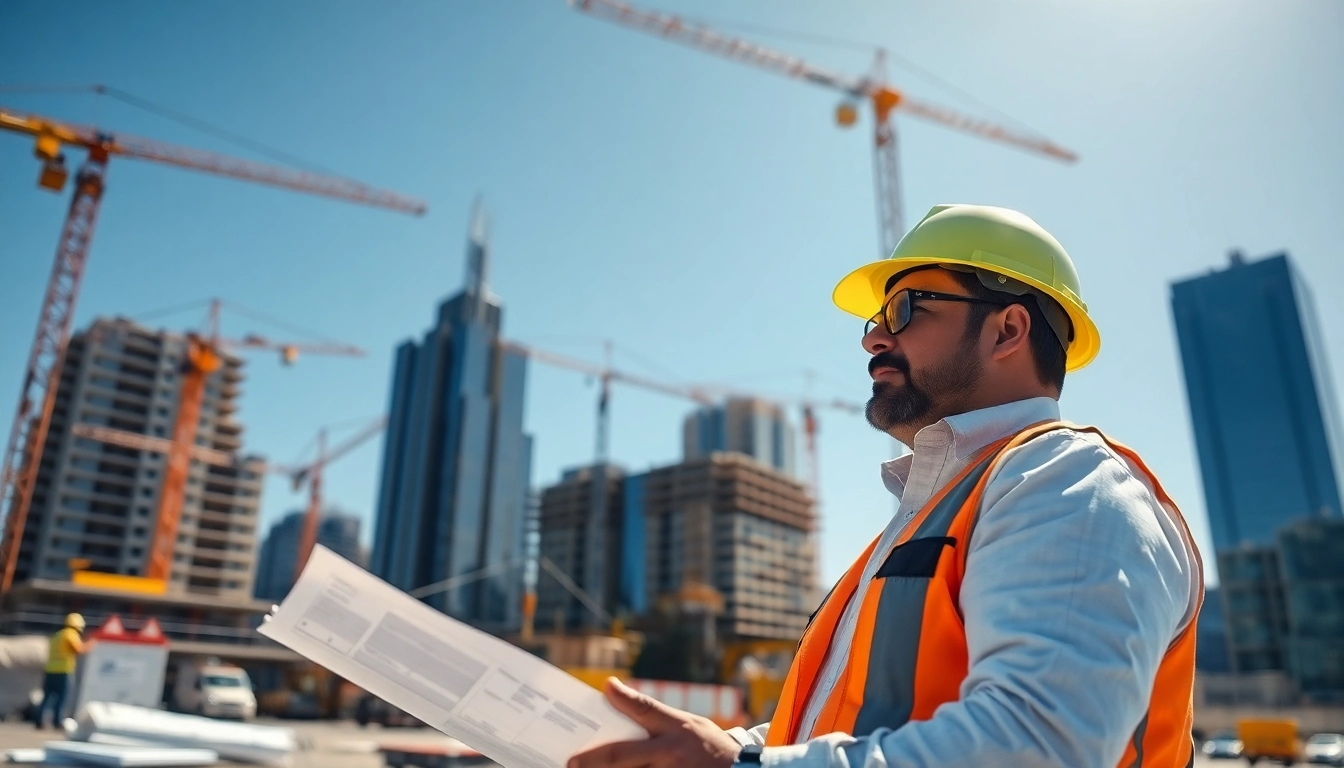
Challenges Faced by Manhattan General Contractors
Dealing with Urban Regulations
Navigating the complex regulatory landscape in Manhattan presents unique challenges for general contractors. Regulations can vary significantly based on building type, location, and even neighborhood. Staying informed about changes in local laws and building codes is essential, as failure to comply can lead to legal repercussions and project delays.
Weather and Environmental Factors
Weather conditions can greatly impact construction timelines in Manhattan. Contractors must develop contingency plans for adverse weather, such as snow or heavy rain, which are common in the region. Understanding seasonal patterns enables contractors to schedule work during optimal conditions and prepare for delays when necessary.
Managing Client Expectations
Balancing client expectations with project realities can often be challenging. General contractors must communicate openly about potential hurdles, management of costs, and project timelines. Utilizing regular updates and transparency in progress reporting helps in managing expectations and building trust.
Future Trends in the Manhattan Construction Industry
Sustainable Building Practices
As awareness of environmental issues grows, sustainable building practices are becoming a defining trend in the construction industry. Contractors are increasingly incorporating green materials, energy-efficient technologies, and sustainable designs to meet client demands and comply with new regulations. Studies suggest that buildings designed with sustainability in mind may result in long-term cost savings and improved property values.
The Role of Technology and Innovation
Technology is transforming the way construction projects are executed, with tools such as Building Information Modeling (BIM), drone surveying, and augmented reality becoming commonplace. These technologies enhance design accuracy, streamline processes, and improve safety measures. General contractors who invest in and adapt to these advancements are better positioned to deliver high-quality outcomes.
Market Forecast and Opportunities
Looking ahead, the Manhattan construction market appears poised for growth, driven in part by infrastructure investments and urban renewal projects. An increasing demand for residential and commercial space continues to fuel opportunities for contractors. Staying informed about real estate trends and public sector initiatives can help general contractors identify and seize new project opportunities.
Frequently Asked Questions
What is the role of a general contractor?
A general contractor manages the entire construction process, from planning and budgeting to hiring subcontractors and ensuring compliance with local regulations.
How do I choose the right general contractor?
Evaluate their credentials, check references and reviews, and ensure they have experience with similar projects and expertise in local regulations.
What should be included in a construction contract?
A contract should detail the scope of work, timeline, payment terms, and clauses for change orders and dispute resolution to protect all parties involved.
What are common challenges faced by general contractors?
Common challenges include navigating urban regulations, managing project timelines amid weather disruptions, and balancing client expectations with real project constraints.
What future trends are shaping the Manhattan construction industry?
Future trends include a focus on sustainable building practices, adoption of advanced technology, and adapting to market conditions for future growth opportunities.