Understanding Roof Cleaning
What is Roof Cleaning?
Roof cleaning refers to the process of removing various types of debris, dirt, and algae or fungal growths from your roof surface. The most common types of growth targeting roofs include moss, lichen, and algae, with black streaks often being a sign of these organisms' presence. Regular maintenance ensures that your roof remains in optimal condition, safeguarding your home from potential damage.
Importance of Roof Cleaning
Engaging in routine Roof Cleaning is essential for several reasons. Firstly, a clean roof contributes to your home’s curb appeal, enhancing its overall aesthetic value. Secondly, by preventing the growth of moss, lichen, and algae, roof cleaning prolongs the life of your roofing materials, avoiding costly repairs or replacements. Furthermore, it aids in maintaining proper drainage, thereby reducing the risk of leaks and structural damage.
Signs Your Roof Needs Cleaning
Identifying when your roof requires cleaning can save you from more extensive damage. Watch for the following signs:
- Visible Algae or Moss: Dark streaks or green patches often indicate algae or moss, requiring prompt cleaning.
- Debris Build-up: Accumulations of leaves, branches, or dirt can impede drainage and retain moisture.
- Water Stains: Inside your home, water stains on ceilings can indicate roof issues, potentially linked to improper drainage from a dirty roof.
- Decreased Curb Appeal: A dirty and stained roof can detract from the overall appearance of your home.
Techniques for Effective Roof Cleaning
Soft Washing Explained
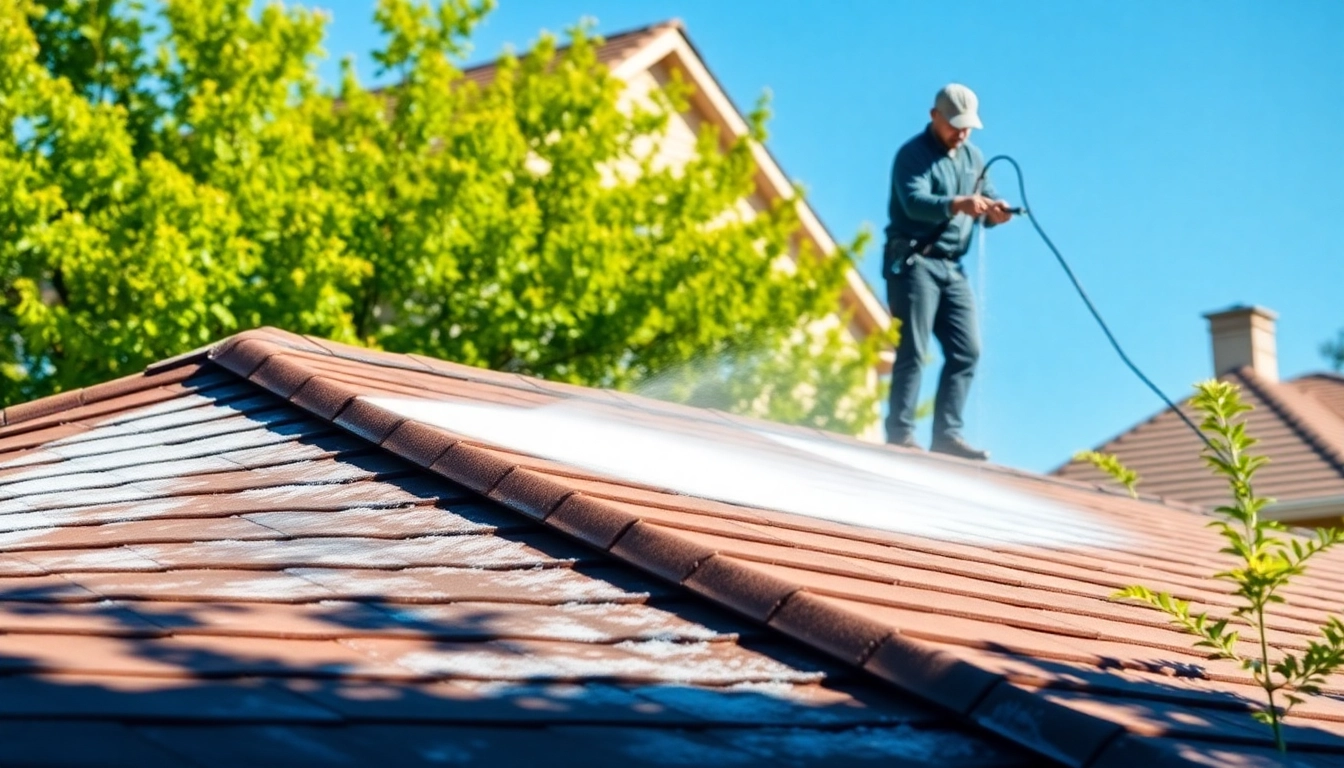
Soft washing is a gentle roof cleaning method that utilizes low-pressure water combined with specialized cleaning solutions. This method is particularly effective in safely removing dirt, stains, and growths without risking damage to roofing materials. Soft washing ensures that cleaning agents penetrate deep into the porous surfaces of your roof, effectively eliminating the sources of stains while being safe for both your roof and the surrounding environment.
Pressure Washing vs. Soft Washing
The most significant difference between pressure washing and soft washing lies in the application methods and pressure levels. Pressure washing involves using high-pressure jets of water to remove dirt and debris, which may damage sensitive roofing materials. On the other hand, soft washing employs low-pressure techniques, making it safer for roofs, particularly those made of shingles or delicate materials.
Eco-Friendly Cleaning Products
Choosing environmentally friendly cleaning products is crucial in protecting your home's ecosystem. Many commercial cleaners contain harmful chemicals that can wash into your garden or local waterways. Opting for biodegradable soaps and cleaners ensures that your roof cleaning is as gentle on the environment as it is on your roof. These products effectively break down organic growth without causing pollution, providing a sustainable cleaning solution.
DIY Roof Cleaning: When and How
Basic Tools and Equipment Needed
Engaging in a DIY roof cleaning project requires specific tools and safety equipment. Essential items include:
- Safety Harness and Rope
- Ladders (Extension ladders are advisable)
- Soft Brush or Broom
- Spray Nozzle for Garden Hose
- Cleaning Solutions (Eco-friendly preferred)
Step-by-Step DIY Roof Cleaning Guide
Before beginning any roof cleaning project, follow these steps to ensure a successful and safe operation:
- Safety First: Ensure you have the right safety gear and a sturdy ladder in place.
- Remove Debris: Start by clearing any leaves, twigs, or debris from the roof. Use a soft brush or broom to avoid damaging shingles.
- Apply Cleaning Solution: Mix your eco-friendly cleaning solution according to the manufacturer's instructions. Apply it using a spray nozzle, covering affected areas.
- Soft Wash the Roof: Gently rinse the roof using low pressure to remove the cleaning solution and debris.
- Inspect for Damage: After cleaning, look for any signs of damage that may need professional attention.
Safety Precautions and Tips
To ensure your safety while cleaning your roof, consider the following precautions:
- Always work with a partner for safety.
- Wear rubber-soled shoes for better traction.
- Avoid cleaning during wet or windy conditions.
- Ensure your ladder is stable and on level ground.
Hiring Professionals for Roof Cleaning
What to Expect from Roof Cleaning Services
Hiring a professional roof cleaning service typically includes a thorough inspection of your roof followed by a cleaning process tailored to your roof type and condition. Expect them to use specialized equipment and eco-friendly cleaning solutions, ensuring the safety and longevity of your roofing materials. Professionals will also check for any underlying issues that may affect your roof's integrity.
How to Choose a Reliable Service Provider
When selecting a roof cleaning service, consider the following factors:
- Experience and Credentials: Look for a service with a proven track record and professional certifications.
- Insurance: Always choose a provider with liability insurance to protect against potential damages.
- Customer Reviews: Check testimonials and online reviews to gauge customer satisfaction and service quality.
Cost Factors for Professional Roof Cleaning
Several factors influence the cost of professional roof cleaning services, such as:
- The size and pitch of your roof
- The type of cleaning method required
- Accessibility challenges posing risks for cleaners
- Geographical location and regional pricing trends
Maintaining Your Roof After Cleaning
Best Practices for Roof Maintenance
After cleaning your roof, the following maintenance practices can help keep it in good condition:
- Regularly inspect your roof for debris and potential growths.
- Keep gutters clean and functioning to ensure proper drainage.
- Trim nearby trees to prevent overhanging branches from dropping debris.
Scheduling Regular Roof Inspections
Scheduling routine inspections can significantly aid in maintaining your roof. Aim for inspections at least once a year and after severe weather events. These inspections can help identify minor issues before they evolve into costly repairs, maximizing the life of your roof.
The Long-term Benefits of Regular Maintenance
Investing in periodic roof cleaning and maintenance leads to long-term benefits, such as enhanced roof longevity, improved energy efficiency, and superior aesthetic appeal. Ultimately, a well-cared-for roof contributes significantly to the overall value of your home.
FAQs About Roof Cleaning
1. How often should I clean my roof?
Typically, a roof should be cleaned every 1-3 years, depending on your local climate and surrounding vegetation. More frequent cleaning may be necessary in damp areas or regions with heavy tree cover.
2. Is roof cleaning safe for my shingles?
Yes, when performed correctly using low-pressure methods like soft washing, roof cleaning is safe for shingles and other materials. It helps extend the life of your roof without causing damage.
3. Can I clean my roof myself?
Yes, it is possible to do roof cleaning yourself if you follow safety precautions and utilize the correct tools and materials. However, hiring professionals is advisable for extensive cleaning needs.
4. What is the cost of professional roof cleaning?
The cost can vary widely depending on your roof's size, type, and condition. On average, it can range from $300 to $600 for standard residential roofs.
5. Are there eco-friendly roof cleaning options?
Yes, many professional services offer eco-friendly cleaning solutions that effectively remove contaminants without harming the environment or your landscaping.