
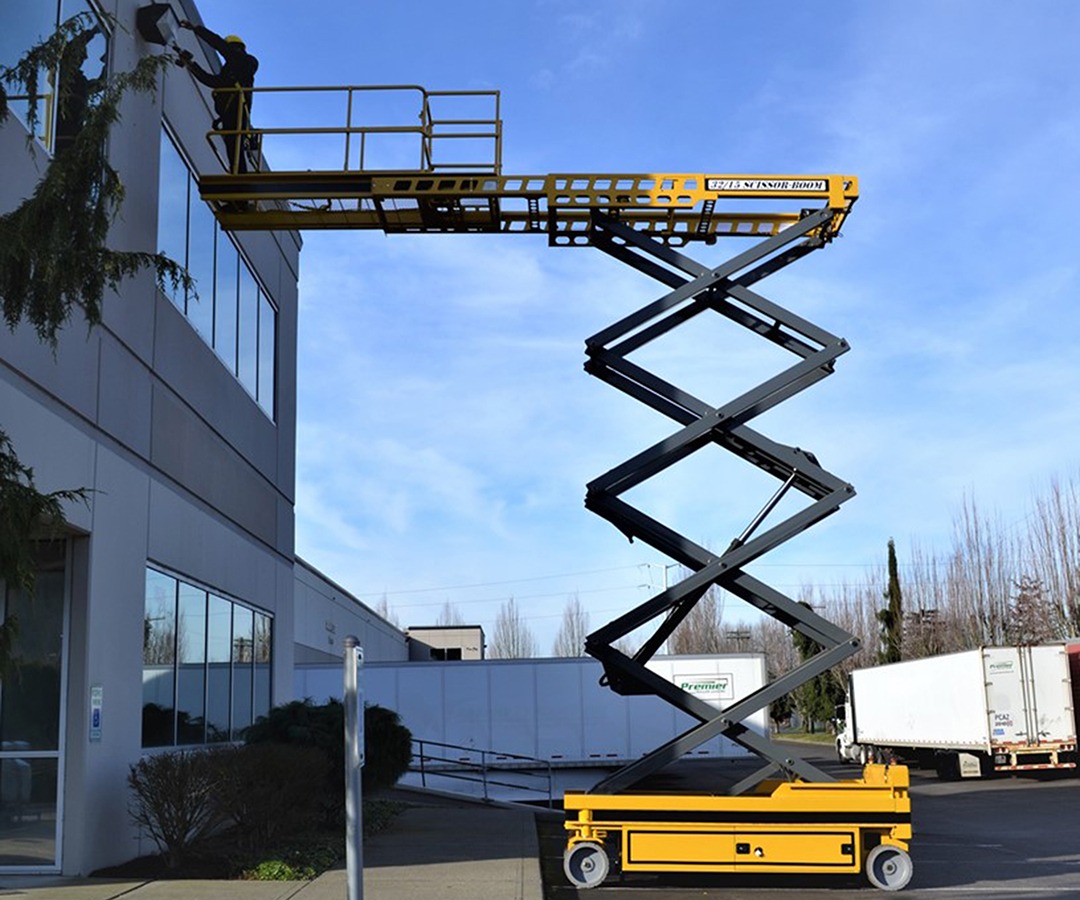
Modern Demands of Industrial Logistics
Heavy industries depend heavily on reliable logistics systems to keep operations moving without interruption. From construction sites to manufacturing plants, the movement of large machinery and oversized cargo requires precision, planning, and specialized handling. This is where equipment transportation becomes a critical service for ensuring smooth industrial operations.
As projects grow in scale and complexity, the need for efficient delivery systems increases. Businesses can no longer rely on slow or outdated methods for moving heavy assets. equipment transportation provides a structured and dependable approach that ensures machinery reaches its destination safely and on time. This level of reliability helps industries maintain productivity while reducing operational delays.
Modern logistics is no longer just about moving goods; it is about optimizing time, cost, and safety. Heavy load delivery requires advanced coordination and professional handling, which makes specialized transport services essential for industrial success.
The Importance of Heavy Load Delivery Solutions
Transporting oversized machinery is not a simple task. It involves careful planning, route assessment, and the use of specialized vehicles designed to handle extreme weight and dimensions. equipment transportation plays a vital role in ensuring that these complex requirements are met with precision.
Without proper logistics support, heavy machinery movement can result in delays, damage, or safety risks. Businesses depend on structured transport systems to avoid such issues. With equipment transportation, companies gain access to expert handling that ensures smooth and secure delivery of valuable assets.
Heavy load delivery also supports project continuity. When machinery arrives on time, work progresses without disruption. This reliability is especially important in industries where deadlines are strict and delays can lead to financial loss.
Advanced Planning for Safe Machinery Movement
Successful logistics begins with detailed planning. Every stage of equipment transportation is carefully organized to ensure safety and efficiency. This includes route selection, load assessment, and vehicle allocation based on machinery type and weight.
Transport professionals evaluate road conditions, bridge capacities, and environmental factors before initiating movement. These precautions reduce risks and ensure that equipment reaches its destination without complications. Through strategic planning, equipment transportation minimizes potential disruptions during transit.
Advanced scheduling systems also help coordinate pickup and delivery times. This ensures that machinery is moved at the most efficient time, reducing congestion and improving travel speed. Proper planning is a key factor in successful heavy load logistics.
Specialized Vehicles and Handling Systems
Heavy machinery cannot be transported using standard vehicles. Specialized trucks, trailers, and lifting equipment are required to handle oversized loads safely. equipment transportation services utilize advanced vehicles designed specifically for industrial cargo.
These transport systems include hydraulic platforms, reinforced trailers, and stabilizing mechanisms that ensure safe movement during transit. Each component plays a role in maintaining balance and preventing damage to machinery.
Proper loading and unloading techniques are equally important. Skilled operators use precision tools to secure equipment before transport begins. This ensures that equipment transportation remains safe and efficient from start to finish.
Enhancing Operational Efficiency Through Logistics
Efficiency is a major priority for industries that rely on heavy machinery. Delays in transportation can disrupt entire project timelines. equipment transportation helps eliminate these delays by providing timely and reliable delivery solutions.
When machinery is delivered on schedule, businesses can maintain steady workflow and avoid costly downtime. Efficient logistics also improve coordination between teams, ensuring that every stage of a project progresses smoothly.
By streamlining transport operations, equipment transportation contributes directly to increased productivity. Companies benefit from reduced waiting times and improved resource utilization, which ultimately enhances overall performance.
Safety Standards and Risk Management
Safety is a critical aspect of heavy load delivery. Improper handling can lead to equipment damage, financial loss, or workplace accidents. Professional equipment transportation services follow strict safety protocols to prevent such risks.
These protocols include secure fastening techniques, weight distribution analysis, and continuous monitoring during transit. Each step is designed to protect both the machinery and the personnel involved in transport operations.
Risk management also involves contingency planning. In case of unexpected challenges such as weather changes or route restrictions, alternative solutions are prepared in advance. This ensures that equipment transportation remains reliable under all conditions.
Cost Optimization and Financial Benefits
Managing logistics costs is a major concern for businesses handling heavy machinery. Traditional transport methods often involve inefficiencies that increase expenses. equipment transportation offers a more cost-effective solution by optimizing routes and reducing unnecessary delays.
Efficient planning and specialized handling reduce the likelihood of damage, which lowers repair and replacement costs. Over time, this leads to significant financial savings for businesses.
Additionally, equipment transportation services are scalable, allowing companies to pay based on their specific needs. This flexibility helps organizations manage budgets more effectively while still accessing high-quality logistics support.
Technological Advancements in Transport Systems
Technology has transformed the logistics industry by improving accuracy, speed, and communication. Modern equipment transportation services use GPS tracking, digital scheduling systems, and real-time monitoring to enhance efficiency.
These technologies allow businesses to track their shipments at every stage of transit. This transparency improves trust and enables better decision-making during logistics operations.
Route optimization software also plays a key role in reducing travel time and fuel consumption. By using data-driven insights, equipment transportation becomes more efficient and environmentally responsible.
Industrial Applications and Versatility
Different industries rely on heavy machinery transport for various purposes. Construction, mining, energy, and manufacturing sectors all require dependable logistics systems. equipment transportation provides versatile solutions that adapt to these diverse needs.
Whether it involves relocating construction cranes, industrial generators, or agricultural machinery, transport systems are designed to handle a wide range of equipment types. This versatility ensures that industries can rely on a single logistics solution for multiple requirements.
The adaptability of equipment transportation makes it an essential part of modern industrial operations, supporting both small-scale and large-scale projects.
Conclusion: The Role of Reliable Heavy Load Logistics
Efficient logistics is the backbone of industrial success. As industries continue to expand, the demand for safe and reliable machinery transport continues to grow. equipment transportation offers a comprehensive solution that combines safety, efficiency, and cost-effectiveness.
By integrating advanced planning, specialized vehicles, and modern technology, it ensures that heavy machinery is delivered securely and on time. Businesses benefit from improved productivity, reduced risks, and optimized operational performance.
In today’s fast-paced industrial environment, equipment transportation is not just a service but a strategic necessity. It supports growth, enhances efficiency, and ensures that projects are completed without unnecessary delays.
Frequently Asked Questions
What is equipment transportation?
equipment transportation refers to the specialized movement of heavy machinery and industrial equipment using advanced logistics systems designed for safe and efficient delivery.
Why is equipment transportation important for industries?
It ensures timely delivery of machinery, reduces operational delays, and supports smooth project execution across various industrial sectors.
What types of machinery can be moved through equipment transportation?
It can handle construction equipment, manufacturing machines, agricultural tools, energy systems, and other heavy industrial assets.
How does equipment transportation ensure safety?
It uses secure loading techniques, specialized vehicles, trained operators, and continuous monitoring to prevent damage and accidents during transit.
Is equipment transportation cost-effective?
Yes, it reduces downtime, prevents damage, and optimizes logistics processes, making it a financially efficient solution for businesses.