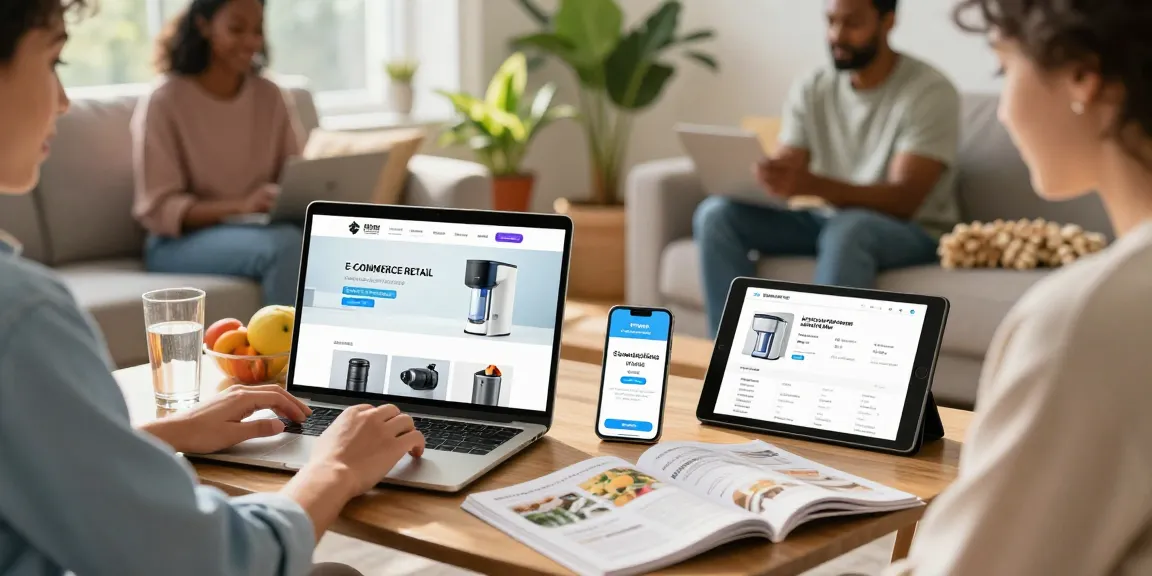
Understanding Home Water Filtration Systems
Home water filtration systems have become an essential aspect of maintaining clean and safe drinking water in our households. With increasing concerns about water quality and contaminant presence, these systems offer an effective solution to ensure that families have access to safe water. By eliminating impurities, a good filtration system can greatly enhance the taste and safety of your water supply. When exploring options, ebbfilter.com provides comprehensive insights into various filtration solutions that cater to different household needs.
What is a Home Water Filtration System?
A home water filtration system is designed to remove impurities from drinking water, enhancing its quality and taste. These systems can come in various forms, including whole-house filters, point-of-use filters, and under-sink or countertop systems. Depending on the specific design, a filtration system may utilize several mechanisms, such as activated carbon, reverse osmosis, or UV light, to eliminate contaminants. Understanding the type of filtration process used is crucial to ensure that the water quality meets health standards.
Benefits of Using Water Filtration
Investing in a water filtration system provides numerous benefits for households, including:
- Improved Taste: Filtration systems often improve the taste and odor of drinking water, making it more palatable.
- Health Benefits: Filters can remove harmful contaminants such as lead, chlorine, and bacteria that may be present in tap water, thus protecting the health of family members.
- Cost Efficiency: While there is an initial investment in filtration systems, they can save money over time by reducing the need for bottled water and helping to prevent plumbing issues caused by scale buildup.
- Environmental Impact: A filtration system can reduce plastic waste from bottled water, contributing positively to environmental sustainability.
Common Types of Water Filters Available
Homeowners can choose from several types of water filtration systems depending on their specific needs and preferences:
- Activated Carbon Filters: These filters are effective at removing chlorine, sediment, and volatile organic compounds (VOCs) that may affect water taste and quality.
- Reverse Osmosis Systems: Utilizing a semipermeable membrane, these systems remove a wide array of contaminants, including heavy metals, salts, and pathogens.
- UV Filters: These use ultraviolet light to disinfect water by killing bacteria and viruses without the need for chemicals.
- Whole House Filters: Installed at the point of entry for water into the home, these systems filter all water used throughout the house, providing comprehensive contamination protection.
Analyzing the Cost-Effectiveness of ebbfilter.com
When considering the financial implications of a home water filtration system, it is essential to weigh the initial investment against potential long-term savings. A detailed analysis can help homeowners make informed decisions, especially when comparing different brands and product offerings.
Initial Investment vs. Long-Term Savings
The upfront cost of purchasing a water filtration system can vary widely, from a few hundred dollars for a basic filter to several thousand for advanced whole-house systems. However, many users find that the savings on bottled water and decreased plumbing repair costs justify this initial investment over time. For example, using a filtration system that efficiently removes contaminants can help extend the lifespan of appliances such as dishwashers and refrigerators.
Comparing Prices with Competitors
When evaluating options, it is beneficial to compare prices at ebbfilter.com with those of competitors. This assessment should include not only the purchase price but also the costs associated with filters, maintenance, and potential repairs. Finding a balance between cost and quality is paramount to ensure that your investment pays off.
Value Evaluation: Quality vs. Cost
When investing in a water filtration system, quality should never be compromised for cost. Cheaper systems may require more frequent replacements or maintenance, leading to higher long-term costs. Evaluating product specifications, such as the filter’s lifespan, and checking certifications can help determine the value of the investment. Look for systems that offer warranties or satisfaction guarantees, as these can provide additional peace of mind regarding your purchase.
Choosing the Best Filter for Your Needs
Finding the right water filtration system for your home involves understanding your specific needs and household circumstances. This process entails evaluating your water quality and the particular contaminants you may be facing.
Identifying Your Household Water Quality
Before selecting a filtration system, it is vital to test your water quality. Home testing kits or local water quality reports can reveal common contaminants such as lead, chlorine, or pathogens. Understanding these factors will guide you in choosing a system specifically designed to target the impurities in your water supply.
Top Factors to Consider When Selecting a Filter
Several factors can influence your choice of a water filtration system:
- Contaminant Removal: Ensure the filter is certified to remove the specific contaminants found in your water.
- Flow Rate: Consider how quickly the filter can provide water, especially for whole-house systems that need to accommodate multiple outlets simultaneously.
- Maintenance Requirements: Evaluate how often the filters need to be replaced and the ease of doing so.
- Size and Installation: Assess the space available for installation and whether the system requires professional installation or is suitable for DIY.
How to Evaluate Product Specifications Effectively
When comparing different water filtration systems, pay close attention to the product specifications. Key indicators of quality include the filter’s lifespan, the number of contaminants it can effectively remove, and any certifications from regulatory bodies like NSF International or the Water Quality Association. These specifications can serve as benchmarks to determine the reliability and efficiency of the product you are considering.
Customer Experiences with ebbfilter.com Products
Understanding customer experiences can provide valuable insights into the effectiveness and reliability of products offered by ebbfilter.com. Analyzing testimonials and reviews can help potential buyers gauge satisfaction levels and product performance.
Case Studies of Satisfied Customers
Numerous customers have reported positive experiences with their water filtration systems from ebbfilter.com. For instance, a family in a metropolitan area struggled with chlorine-smelling water and noticed a substantial improvement in taste and smell within days of installing an activated carbon filter. This transformation led to a healthier lifestyle choice, as the family transitioned away from bottled water and embraced drinking tap water.
Analyzing Reviews and Ratings
When evaluating products, be sure to consider customer ratings on various platforms, not just the ebbfilter.com website. High ratings typically reflect reliability and customer satisfaction. Pay close attention to detailed reviews that outline specific positives and negatives; this can help in making a more informed choice.
Common Feedback and Improvement Opportunities
While many customers express satisfaction with their purchases, it is also important to consider areas for improvement. Common feedback might include desires for additional features or enhanced usability in filter replacement. Addressing these areas can help manufacturers refine their products and improve the customer experience.
Future Trends in Home Water Filtration
The home water filtration industry is evolving rapidly, influenced by technological advancements and changing consumer preferences. Staying informed about these trends can help homeowners make proactive decisions regarding their water quality needs.
Emerging Technologies in Filtration Systems
Recent innovations in water filtration technology are paving the way for more efficient and effective systems. For instance, new filtration media such as nanomaterials are being utilized to enhance contaminant removal rates while reducing waste. Additionally, connected home technology is being integrated into filtration systems, allowing for real-time monitoring and automatic maintenance alerts.
Predictions for Consumer Preferences in 2026
By 2026, it is anticipated that consumers will increasingly favor sustainability in their purchasing decisions. Products that utilize eco-friendly materials and reduce plastic waste will likely gain significant traction. Moreover, energy-efficient systems that minimize water waste will appeal to environmentally conscious consumers.
How to Stay Ahead with Innovative Solutions
To remain competitive, manufacturers must continuously innovate and adapt to emerging trends. Homeowners should regularly assess their water filtration systems to ensure they reflect the latest technology and efficiency standards. This might include upgrading to more advanced models or incorporating additional filtration stages to combat new contaminants.
Why Invest in Quality Water Solutions Today?
Investing in high-quality water filtration systems is vital for safeguarding your family’s health. As knowledge about water quality continues to grow, so does the recognition of the importance of ensuring clean drinking water. Making this investment today can yield significant health and financial benefits in the long run.
What are the key features to look for in water filtration?
Key features to consider when selecting a water filtration system include the type of filtration technology used, the specific contaminants it targets, its flow rate, maintenance requirements, and whether it has been certified by relevant health and safety organizations. A good water filter should offer a balance of efficiency, effectiveness, and ease of use.
How does ebbfilter.com compare with other brands?
ebbfilter.com stands out due to its focus on quality and customer satisfaction. Its products often feature advanced filtration technologies and come with comprehensive warranties. A comparative analysis with other brands can reveal key differentiators such as pricing, feature sets, and overall value, reinforcing why consumers may prefer ebbfilter.com for their water filtration needs.
What are the maintenance requirements for water filters?
Maintenance requirements vary depending on the type of filtration system you choose. Most systems will require regular filter replacements, typically every 6 to 12 months, depending on usage and water quality. Regular inspections and timely replacements are essential for ensuring optimal performance and maintaining water quality.
Are there eco-friendly options available?
Yes, many modern water filtration systems are designed with eco-friendliness in mind. These options may feature sustainable materials, energy-efficient designs, and mechanisms that minimize water waste. To make an environmentally sustainable choice, look for filters that balance performance with ecological responsibility.
What are the common misconceptions about water filtration?
Several misconceptions about water filtration persist, including the belief that all filters are the same and that they can eliminate all contaminants. It is essential to understand that the effectiveness of a filter depends on its design and the specific technology it employs. Additionally, some people mistakenly assume that tap water is always safe to drink without any filtration, which can be misleading depending on local water quality issues.