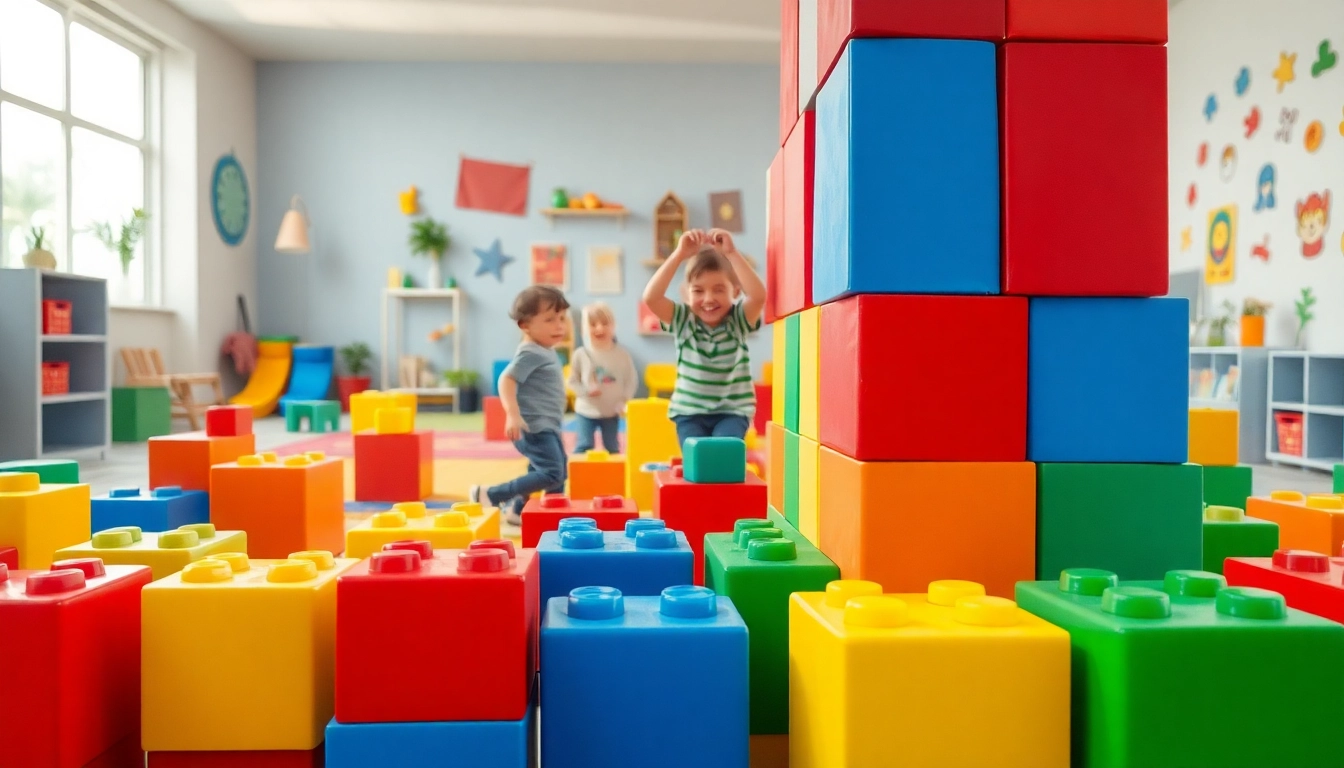
Introduction to Giant Building Blocks
Giant building blocks are more than just oversized toys; they are a gateway to creativity and learning for children. These colorful, large-scale blocks foster imaginative play and hands-on learning experiences that can promote cognitive and social development. Children can construct their own worlds, engage in collaborative play, and enhance their spatial awareness skills, all while having fun. To explore more about their potential benefits, you can discover more about how these blocks can enrich playtime.
What are Giant Building Blocks?
Giant building blocks are oversized, lightweight modular pieces designed specifically for children. They come in various shapes, colors, and sizes, allowing for endless construction possibilities. Made from safe, durable materials, these blocks are intended for both indoor and outdoor use. They vary in size, with some being as large as a child, enabling kids to stack, balance, and build to their hearts' content.
Benefits of Building Blocks for Kids
Engaging with giant building blocks offers numerous developmental benefits:
- Cognitive Development: Constructing structures improves problem-solving skills and enhances logical thinking.
- Motor Skills: Manipulating large blocks helps in developing fine and gross motor skills, improving dexterity and hand-eye coordination.
- Social Skills: When children play together, they learn to communicate, collaborate, and share, fostering teamwork and social interactions.
- Creativity and Imagination: Blocks allow children to express creativity, envision structures, and experiment with different designs.
- Physical Activity: Building and playing with large blocks encourages movement, contributing to a child's physical well-being.
Choosing the Right Size and Type
When selecting giant building blocks, consider the following factors:
- Age Appropriateness: Ensure the blocks are suitable for the child's age group, in terms of size, weight, and safety features.
- Material Quality: Opt for blocks made from non-toxic, durable materials that can withstand frequent use.
- Design Versatility: Look for blocks that can connect in multiple ways, allowing for greater creativity and stability in constructions.
- Storage Solutions: Consider how the blocks will be stored; lightweight, stackable designs can make cleanup more manageable.
Fun Games to Play with Giant Building Blocks
The versatility of giant building blocks allows for a variety of interactive games that can enhance learning and play. Below are some captivating game ideas.
Cooperative Building Challenges
Challenge children to work together to build specific structures within a set time limit. This activity encourages teamwork and communication skills, as they must discuss and plan their approach. Ideas include: - Constructing a bridge strong enough to hold a toy car - Creating the tallest tower that can stand without falling - Working in small teams to build replicas of well-known landmarks, stimulating discussions about architecture and design.
Creative Storytelling with Blocks
Incorporate storytelling elements by having children create scenes from their favorite stories or original tales with the blocks. This can enhance their narrative skills and encourage imaginative thinking. For instance, after building a setting, they can act out their stories, enhancing language development and creativity.
Obstacle Course Integration
Create an obstacle course where children must navigate around or over blocks. This encourages physical activity and gross motor coordination. Specify different movements like crawling, balancing, or jumping in and out of the blocks, making it not just fun but also beneficial for physical health.
Safety Tips for Indoor Play
While giant building blocks can provide a fun environment, safety is paramount when children are playing with them indoors. Here are essential safety tips to ensure a secure play area.
Creating a Safe Space
Designate a specific play area that is free from hard or sharp objects. Soft flooring, such as foam mats or carpet, can cushion any falls. Clearly mark boundaries to help children understand their play space.
Supervision Guidelines
Always supervise young children while they play with large blocks. Even though many blocks are lightweight, improper stacking could lead to toppling. Adult supervision allows for timely intervention to prevent accidents.
Durability and Quality Considerations
Opt for high-quality blocks made from robust materials that can withstand rough play. Regularly inspect the toys for signs of wear and tear to ensure they remain safe for use.
Enhancing Creativity with Building Blocks
Giant building blocks provide an excellent platform for creativity. With the right approach, children can explore their artistic expression and engage in thematic learning experiences.
Incorporating Art and Design
Encourage children to paint or decorate the blocks with washable markers to personalize their creations. This fosters creativity and can lead to discussions about color theory and design. Artistic sessions can culminate in a gallery display of their block designs.
Theme-Based Building Sessions
Organize building sessions around particular themes, such as "Space Exploration" or "Under the Sea." This allows children to immerse themselves in a topic, learn new vocabulary, and apply their knowledge in a hands-on way. Themes can provide context, allowing children to connect their block play to real-world concepts.
Using Blocks for STEM Learning
Giant building blocks can be an effective tool for introducing basic STEM concepts. Consider activities such as:
- Engineering Challenges: Have children design and build structures that can hold weight or withstand certain forces.
- Math Games: Use blocks to introduce concepts of counting, geometry, and measurement.
- Science Exploration: Discuss balance and gravity as they experiment with building taller structures, using blocks to demonstrate weight distribution.
Frequently Asked Questions
What age groups are suitable for giant building blocks?
Giant building blocks are generally suitable for children aged 2 and up. Always consider the manufacturer's recommendations for safety and size appropriateness.
How can I maintain giant building blocks?
Regularly clean the blocks with mild soap and water to remove dirt and germs. Inspect them frequently for damage or wear to ensure safety.
Are giant blocks safe for indoor use?
Yes, provided they are made from safe materials and used correctly. Always supervise children to prevent accidents.
Can building blocks enhance social skills?
Absolutely! Sharing, collaborating on projects, and communicating during play all contribute to improved social interactions through block play.
What storage solutions are best for giant building blocks?
Use bins or storage bags designed for large items, ensuring that children can access them easily. Stacking solutions can also save space.