Understanding TradingView: A Comprehensive Overview
As traders navigate different markets, having access to comprehensive, real-time data and analysis tools is paramount. TradingView stands out as a leading platform, offering users a robust interface for charting, market analysis, and alerts across various devices. With an extensive array of features tailored for both novice and experienced traders, TradingView is an essential tool for anyone serious about trading. By leveraging the capabilities of TradingView, users can significantly enhance their trading strategies and decision-making processes. For those interested in exploring the platform further, TradingView provides comprehensive insights into market trends and analytics.
What is TradingView and How Does It Work?
TradingView is a web-based platform that combines social networking with advanced market analytics. It allows users to create and share trading ideas through its user-friendly charting tools, which support various asset classes, including stocks, forex, cryptocurrencies, and commodities. At its core, TradingView utilizes real-time market data to facilitate technical analysis, enabling traders to make informed decisions based on the latest information.
The platform's strength lies in its community-driven approach, where traders can share scripts, strategies, and analyses with one another. This collaborative environment not only enhances the learning experience but also gives users access to a wealth of information that can help shape their trading strategies.
Key Features of TradingView for Market Analysis
TradingView boasts a suite of powerful features designed to aid traders in analyzing market movements:
- Charting Tools: Users can access a range of customizable charts with various indicators and drawing tools to conduct thorough technical analysis.
- Social Networking: The platform allows traders to connect, share insights, and follow each other's trades, fostering a sense of community.
- Alerts System: TradingView offers a sophisticated alert system that notifies users of significant price movements or technical conditions, reducing the need for constant market monitoring.
- Market Screening: Traders can utilize built-in screeners to filter assets based on various criteria, streamlining the research process.
- Script Creation: Users can create custom indicators and scripts using Pine Script, TradingView's proprietary programming language.
Mastering Chart Analysis with TradingView
Utilizing Technical Indicators Effectively
Technical indicators play a crucial role in trading and can be effectively utilized within TradingView. The platform offers a variety of indicators, including moving averages, RSI, and volume oscillators, which traders can overlay on their charts. By understanding how to read these indicators, users can identify trends and potential reversal points, enhancing their trading effectiveness.
Creating Custom Indicators and Scripts in TradingView
For those looking to tailor their analytical approach, TradingView allows users to create custom indicators and scripts using Pine Script. This feature is particularly beneficial for traders with specific strategies that require unique calculations or visual cues. The ability to personalize trading tools helps traders refine their strategies and adapt to changing market conditions.
Case Studies: Successful Trades Made Using TradingView Charts
Several traders have reported significant successes attributed to their use of TradingView’s advanced charting capabilities. For example, a trader might have identified a bullish divergence using the RSI indicator, leading them to enter a long position on a cryptocurrency just before a significant price increase. By leveraging TradingView’s tools, traders can document their strategies and learn from their successes and failures.
Setting Up Alerts and Notifications in TradingView
How to Configure Price and Condition Alerts
The alerts feature in TradingView is one of its most vital tools. Users can set price alerts that trigger notifications via email or in-app notifications when a specific price level is reached. Condition alerts can also be configured to signal when more complex market conditions are met, such as a crossover of moving averages. Understanding how to set these alerts effectively can save traders time and enhance their responsiveness to market changes.
Best Practices for Trading Notifications
To maximize the effectiveness of alerts, traders should consider the following best practices:
- Prioritize Alerts: Only create alerts for critical price levels or conditions to avoid overwhelming notifications.
- Test Alerts: Regularly check that alerts are functioning correctly to ensure timely notifications.
- Use Multi-Condition Alerts: Leverage the ability to set alerts based on multiple conditions for a more nuanced trading strategy.
Understanding the Difference Between Alerts and Monitoring
While alerts are designed to notify traders of specific price movements or conditions, monitoring can involve ongoing observation of market trends and chart patterns. Traders can utilize both strategies concurrently: alerts for immediate actions while monitoring broader trends for comprehensive analysis.
Cross-Device Functionality of TradingView
Accessing TradingView on Various Devices
One of the standout features of TradingView is its cross-device compatibility. Users can access the platform via desktop, web, or mobile applications, ensuring they can monitor the markets and execute trades from anywhere. The seamless transition between devices allows for flexibility in trading, whether at home or on the go.
Synchronizing Settings and Workflows Across Platforms
TradingView allows users to synchronize their settings and workflows across devices. This means modifications made on one device—such as chart layouts, alerts, and saved workspaces—are automatically updated on all others. This feature eliminates redundancy and ensures that traders maintain continuity in their analysis.
User Experiences: Trading on Desktop vs. Mobile
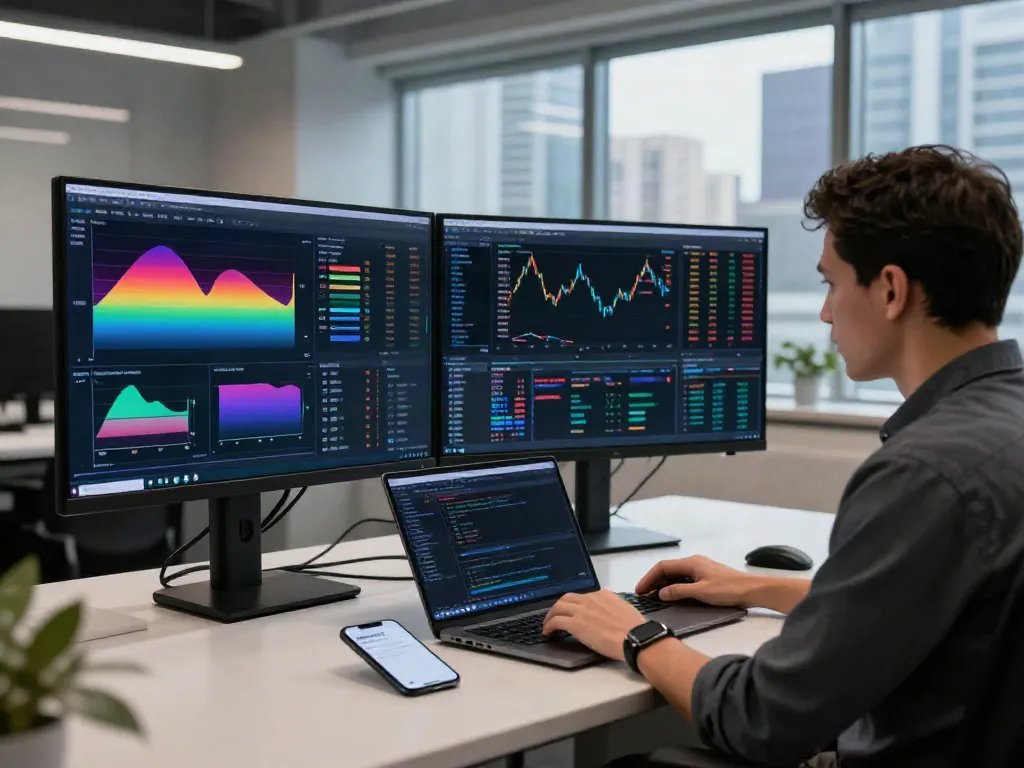
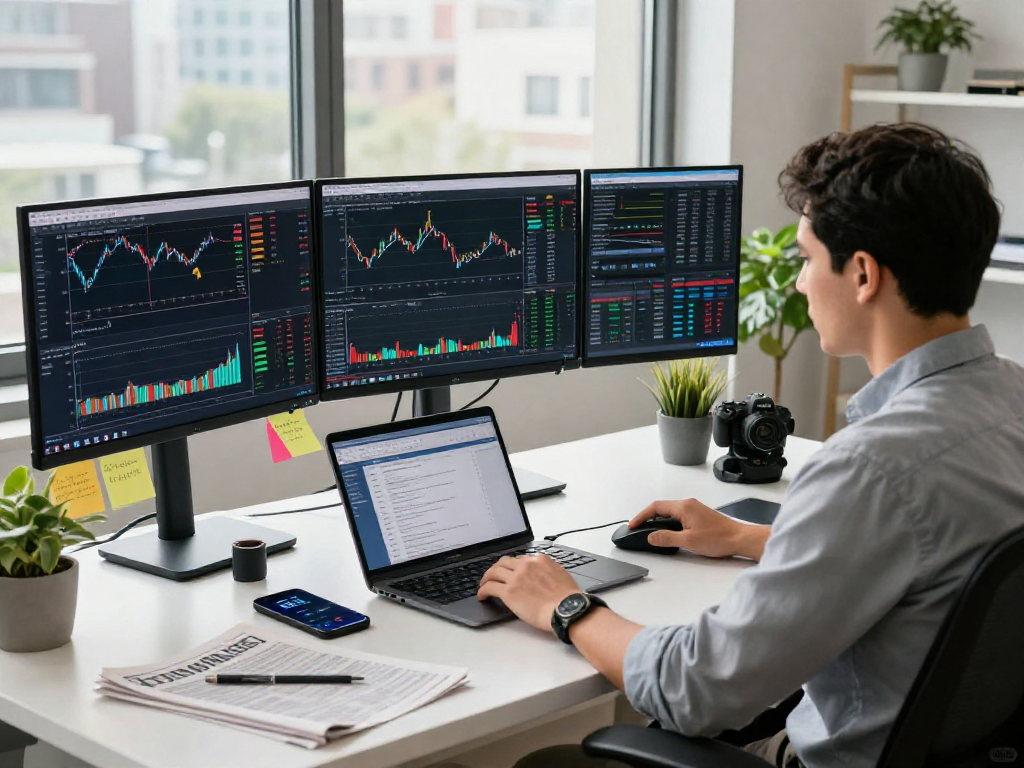
While both the desktop and mobile versions of TradingView offer comprehensive functionality, user experiences may vary. Many traders prefer the desktop application for its enhanced screen real estate, allowing for multiple charts and tools to be displayed simultaneously. Conversely, the mobile app offers convenience and accessibility, ideal for traders needing to act quickly while away from their desks. Each platform has its strengths, making it essential for users to choose based on their trading habits.
Pricing Plans and Accessibility of TradingView
Overview of Free and Premium Features
TradingView offers a range of pricing plans, including a free tier with essential features suitable for beginners. However, to unlock advanced functionalities such as more comprehensive alerts, additional indicators, and the ability to save multiple chart layouts, users can opt for one of the premium plans. Each tier is designed to cater to various trader needs and budget constraints.
Choosing the Right Plan Based on User Needs
When selecting a TradingView plan, users should consider their trading frequency and the complexity of their strategies. Casual traders may find the free plan sufficient, while active traders looking for advanced tools and customizability may benefit from the Pro or Premium options. Careful analysis of individual requirements will facilitate the best choice.
FAQs About TradingView's Pricing and Services
New users often have questions regarding TradingView’s pricing and capabilities:
- What types of assets can be traded on TradingView? TradingView supports a wide range of asset classes, including stocks, options, futures, forex, and cryptocurrencies.
- Is it necessary to download the desktop version of TradingView? No, while the desktop version offers expanded features, users can access the full functionality through a web browser.
- How does TradingView ensure data accuracy in real-time? TradingView sources data from a variety of exchanges and financial institutions to provide users with up-to-date market information.
- Can TradingView be used for automated trading? Yes, TradingView allows for automated trading strategies through integration with other trading platforms.
- What are the main benefits of using TradingView for beginners? Beginners benefit from user-friendly tools, educational resources, and a supportive community, making the learning curve more manageable.