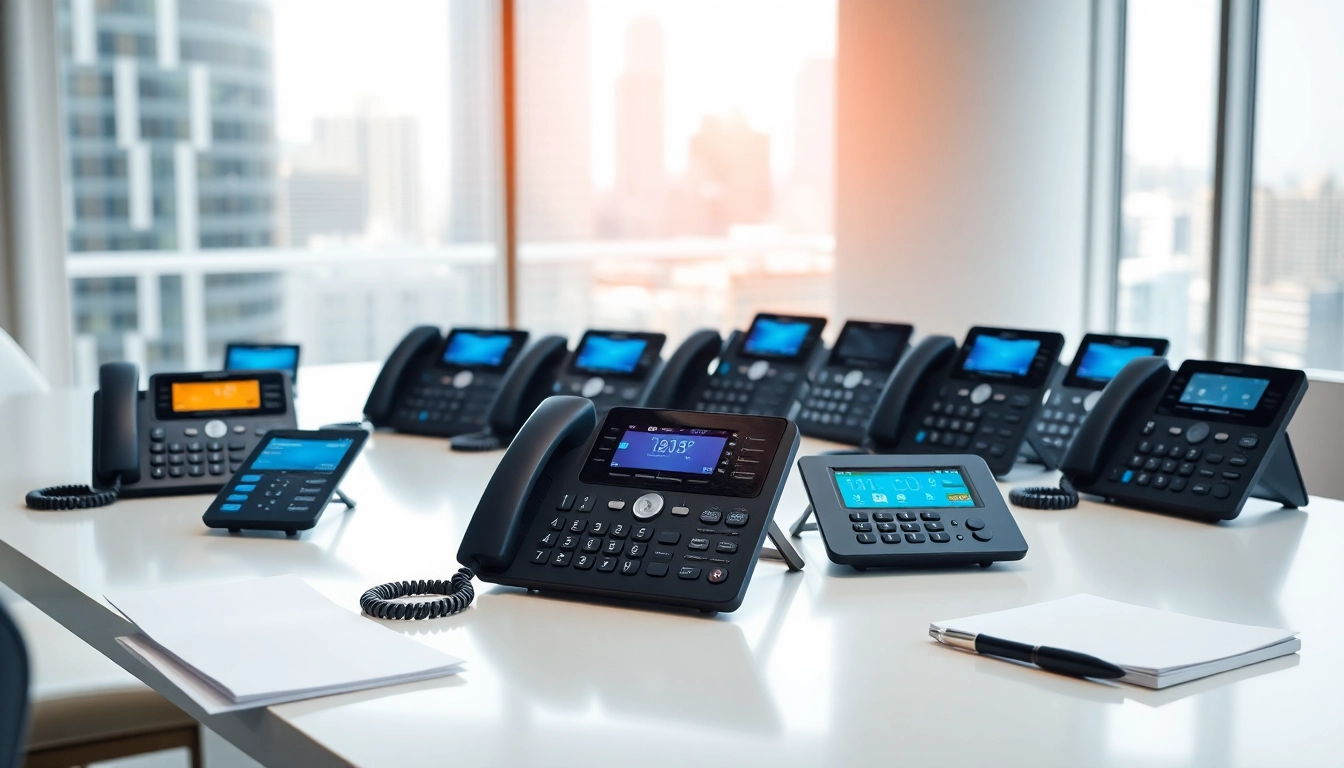
Understanding Business Phones and Their Importance
In the contemporary business landscape, effective communication is pivotal for success. One critical aspect of this communication framework is the choice of the right business phones. The devices you choose can significantly influence both internal operations and customer interactions, affecting everything from team collaborations to service delivery.
What Are Business Phones?
Business phones are specialized telecommunication devices designed to meet the communication needs of organizations. Unlike personal phones, these devices are built with features that facilitate optimal communication within an organization and with external stakeholders. They can include traditional landline phones, VoIP systems, and mobile solutions, offering flexibility and adaptability to various business environments.
The Impact of Business Phones on Communication
The relevance of business phones transcends mere voice communication. They enable seamless collaboration across teams, streamline customer outreach, and bolster overall productivity. With various advanced features, such as call forwarding, conference calling, and integration with software applications, business phones create a conducive environment for effective communication in workplaces. They can empower employees to access important information and connect with colleagues or clients irrespective of location, thereby fostering a culture of collaboration and efficiency.
Choosing the Right Features for Your Business Phones
Selecting appropriate features is crucial for ensuring that business phones align with your organizational needs. Features to consider include call management options, conference calling capabilities, mobile integration, and customer relationship management (CRM) software compatibility. By carefully evaluating these functionalities, businesses can ensure they choose systems that not only improve communication but also enhance overall productivity.
Types of Business Phones on the Market
As the needs of businesses evolve, so do the technologies that support them. Today, various types of business phones are available in the market, each with their unique characteristics and advantages.
VoIP Business Phones
Voice over Internet Protocol (VoIP) phones utilize internet connections for making calls. This technology offers numerous benefits for businesses, including reduced telecommunications costs and enhanced functionality such as video conferencing and mobility features. VoIP systems allow employees to make calls from virtually anywhere, thereby supporting remote work and improving accessibility.
Traditional Landline Business Phones
Despite the rise of digital technologies, traditional landline phones continue to serve businesses reliably. These phones are known for their robustness and stability, providing seamless communication without reliance on internet connectivity. They are often favored by organizations seeking a straightforward and secure phone solution, particularly in areas with poor internet access.
Wireless Business Phones
Wireless phones provide mobility within the office while offering the flexibility of traditional phones. They typically connect through a base station without needing physical phone lines. This convenience can facilitate on-the-go communication, ensuring that employees can stay connected, whether in meetings or at different workstations.
Key Features to Look for in Business Phones
A comprehensive evaluation of potential business phones should include a close examination of vital features that can drive communication efficiency and user satisfaction.
Audio Quality and Clarity
Audio quality is paramount in any communication tool. The clarity of calls can directly impact the effectiveness of conversations, particularly in customer service contexts. Ensure that the business phones you consider prioritize high-definition audio capabilities, reducing misunderstandings and allowing for smooth interactions.
Integration with Software Applications
In today’s interconnected world, seamless integration with other software applications is essential. Whether it’s linking your business phones with CRM systems, email platforms, or productivity tools, having a phone system that works harmoniously within your existing software environment will optimize workflow and minimize disruptions.
Battery Life and Reliability
For mobile and wireless business phones, battery life and reliability play a pivotal role in functionality. Phones that can last throughout the workday without frequent recharging help avoid interruptions in communication. Consider devices with long battery life and robust performance in various environments, particularly if remote working is part of your operational strategy.
Benefits of Upgrading Your Business Phones
Upgrading your business phones is often a strategic move that can yield substantial returns in terms of efficiency and effectiveness.
Improved Team Communication
Newer business phones come equipped with collaborative features that enhance team communication. Improved call management systems, group messaging, and video conferencing capabilities streamline teamwork, ensuring all members are well-connected and informed about ongoing projects. This integration can lead to faster decision-making and improved overall productivity.
Cost Efficiency and Scalability
Investing in modern business phones can lead to significant long-term cost savings. VoIP systems, for example, often reduce call costs and maintenance fees. Additionally, as businesses grow, scalable phone systems allow for easy expansion, accommodating increased call volumes and additional user features without requiring a complete overhaul.
Enhancing Customer Service
A robust phone system can dramatically improve customer service capabilities. With features like call routing, real-time calling data analytics, and integration with customer databases, businesses can ensure that customer interactions are effective and personalized. Faster response times and improved communication efficiency can lead to higher customer satisfaction and retention rates.
FAQs about Business Phones
What is the best type of business phone for small companies?
VoIP phones are often ideal for small businesses due to cost-effective features and flexibility.
Can I use my business phones for personal calls?
Yes, but it’s best to maintain a separate line for personal use to avoid mix-ups.
How do business phones improve productivity?
Feature-rich phones enable smoother communication, improving response times and workflow.
What should I consider when buying business phones?
Evaluate features, scalability, and compatibility with existing systems before purchasing.
Are cloud business phones secure?
Yes, reputable providers implement strong security measures to protect your data on cloud-based systems.
Contact Information
Address:Fareham Innovation Centre, PO13 9FUEmail Us:[email protected]Call Us:0333 015 2615